

Goa’s north coast is a different mood—and Siolim is one of the most convenient bases for it. If you’re landing at Goa Airport and heading to Siolim for beaches, cafés and the quieter side of Bardez, the biggest question is simple: taxi cab or shared ride?
This guide covers the real transfer checkpoints you’ll use most (airports, city hubs and local drop zones), and helps you choose the option that fits your budget and timing. We’ll also share a practical playbook for where to pick up, how to book, and what to do if your flight lands late or you’re stuck in delays.
Airport Pickups: Dabolim (GOI) and Mopa (GOX)
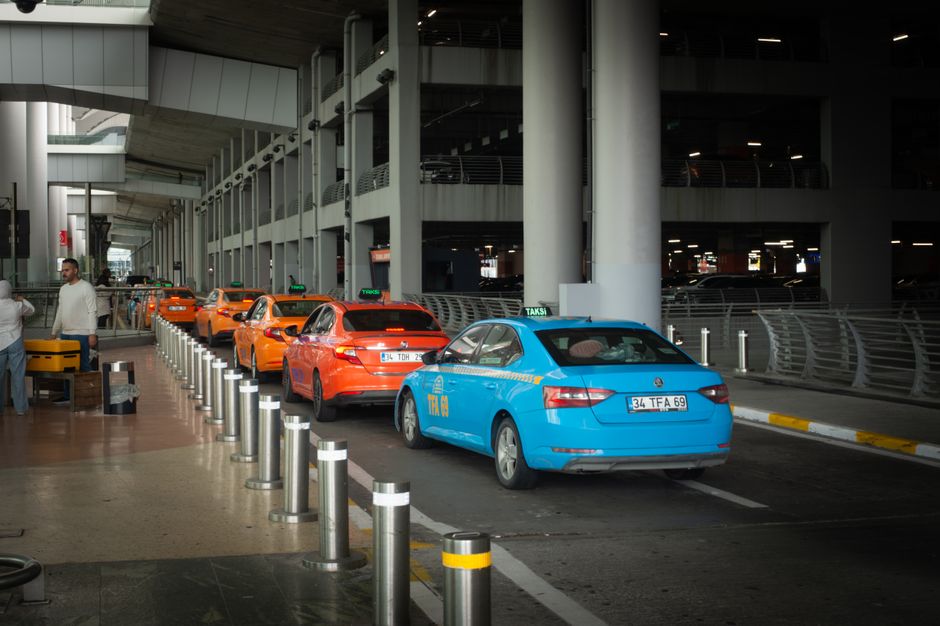
For most travellers going to Siolim (Bardez side), both airports work, but Mopa often feels more direct for the northern belt, while Dabolim is common for many international arrivals. Either way, you’ll typically head to Panaji/Mapusa-side hubs and then finish the last stretch to Siolim.
1. Goa International Airport (Dabolim) (Airport Arrival Base)
Dabolim (GOI) is a major entry point into Goa, and most transfer discussions start here—especially if your flight is from a common international route. For Siolim, expect your trip to be shaped by traffic around the Panaji/Mapusa corridors. When you step out, your job is to choose between (a) a private taxi straight to Siolim, or (b) a shared ride via the bus hubs.
Where to pick up: follow the exit signs for taxis/pre-paid counters and stand areas right outside the terminal exit. If you’re aiming for shared rides, you’ll usually pass through the nearest city hub first rather than trying to “localise” the route immediately.
Location: Dabolim, Goa
2. Manohar International Airport (Mopa) (Airport Arrival Base)
Mopa (GOX) is Goa’s newer airport, and it tends to make northern destinations feel more straightforward. Transfers to Siolim are still subject to traffic, but the overall experience can be smoother if your driver has a clear run towards the Bardez side.
Where to pick up: once you come out of the terminal, look for the taxi/vehicle pickup area for permitted cars. If you’re planning a private transfer, pre-arranging is often the least stressful route when you’re carrying luggage or travelling at odd hours.
Location: Mopa, Goa
Shared Rides and Budget Cabs to Siolim
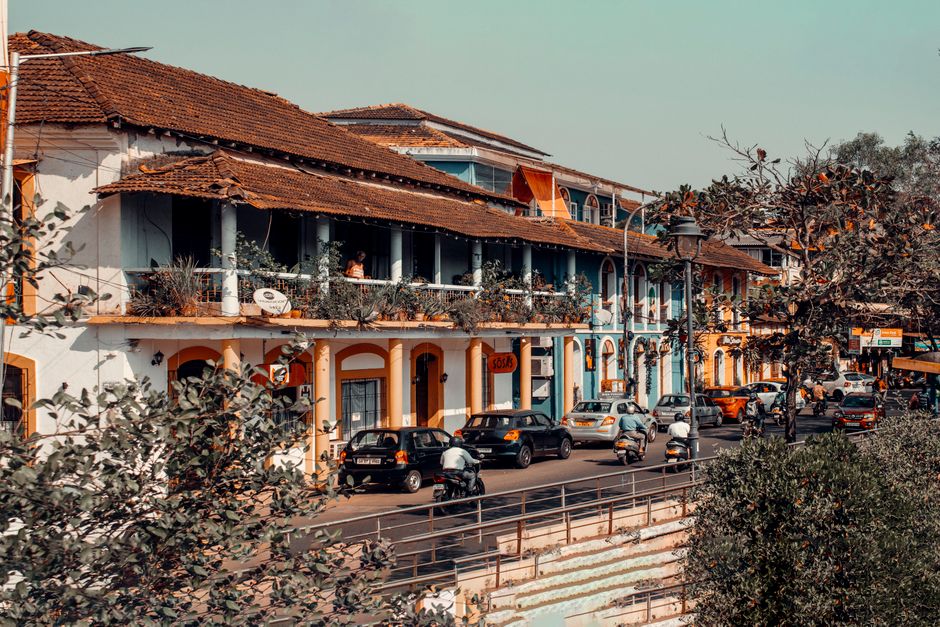
A common budget approach is: airport → Panaji (or a Panaji-side bus point) → Mapusa → short hop to Siolim. This keeps costs low, and you can still get a comfortable last leg via a local cab or auto.
3. Vasco da Gama (Local Taxi Hub)
Vasco da Gama is often used as a practical waypoint, especially for travellers coming from Dabolim. Even if you’re ultimately going to Siolim, it’s useful to know this is a place where taxis concentrate—so if you land and decide against a pre-booked ride, you can typically arrange a car from there without reinventing the plan.
Hassle check: using a city hub can add time if you’re waiting for the “right” shared option to form, but it can reduce the “I arrived late and now what?” pressure.
Location: Vasco da Gama, Goa
4. Kadamba Bus Stand (Panaji) (Bus Hub)
Kadamba Bus Stand in Panaji is one of the main bus nodes you’ll hear about for intercity connections. If you’re considering shared rides, this is often the place where options become more structured—routes, schedules and waiting areas are clearer than trying to negotiate local transport near the airport.
Hassle check: bus transfers mean more steps, but they’re straightforward once you’re at the stand. For Siolim, travellers usually pair the bus leg with a short taxi/auto to finish the journey.
Location: Panaji, Goa
5. Panaji (Panjim) (Transfer City)
Panaji isn’t just a destination—it’s a transfer city. Even if you’re not spending the day there, it often acts like the connector between airport arrivals and north Goa villages.
Cost vs time: Panaji-focused routing can reduce shared-ride costs, but you may wait between legs. If you’re travelling with kids or heavy luggage, it can be worth weighing that against the simplicity of a private cab.
Location: Panaji, Goa
6. Mapusa Bus Stand (Local Bus Hub)
Mapusa is frequently used as the “north Goa distribution point” for travellers heading towards Bardez and nearby areas. From here, getting to Siolim is usually easier because you can shift from public transport to a short local cab/auto.
Hassle check: Mapusa works best when you can handle a slight last-mile change. If your flight timings are tight, this is where late-arrival stress can show up—so plan buffers.
Location: Mapusa, Goa
7. Tivim Railway Station (Rail + Road Node)
Tivim Railway Station is a well-known rail stop in north Goa, and while it’s not a “direct airport transfer” in the way taxis are, it becomes relevant if you’re re-planning due to flight delays or long waits. Some travellers keep rail+road as a backup strategy, especially when they want to avoid being stuck in traffic for too long in peak hours.
Hassle check: if you’re choosing shared rides, rail plans add complexity. Keep Tivim as a backup option rather than your primary airport-to-Siolim route.
Location: Tivim, Goa
Private Taxi: Fastest Door-to-Door

Booking approach (best practice): if you want a smooth airport exit, pre-arranging a car helps you avoid waiting around for availability or negotiating on the spot. GetTransfer can be a practical way to arrange a pickup so you don’t spend your first hour in Goa figuring out transport.
Cost vs hassle in one line: private taxis usually win on door-to-door convenience, shared rides win on cost, and the “best” option depends on how much uncertainty you can tolerate.
8. Chapora (Nearby Arrival Area)
Chapora is close to Siolim and often used as a practical nearby reference point—especially if your stay instructions mention areas around Bardez/Chapora belt roads. If you’re taking taxis, you can tell the driver your exact stay and landmark; if the drop area is tricky, asking for a nearby junction/approach road in Chapora can help.
Why it matters for transfers: a nearby reference reduces the last-mile confusion when traffic slows down or roads are crowded.
Location: Chapora, Goa
9. Siolim (Final Destination Base)
Siolim itself is your final target, and it’s useful to treat it as more than just a pin on a map. Your pickup strategy should match how your accommodation describes access—some places are easier to reach directly by car, while others prefer a drop closer to the main approach road.
Hassle check: if you’re arriving late, confirm the “best gate/junction” with your accommodation beforehand. That one detail often decides whether your evening is smooth or stressful.
Location: Siolim, Goa
10. Assagao (Nearby North Goa Area)
Assagao is one of the adjacent north Goa areas that frequently shows up for travellers staying around Siolim/Bardez. Even when your destination is Siolim, nearby locality names can show up in driver drop suggestions, especially for taxis waiting at common access points.
Transfer tip: if your accommodation is hard to locate by the first-pass GPS route, using a nearby well-known area like Assagao as a waypoint can save time.
Location: Assagao, Goa
Best Time and Late-Arrival Checklist
Goa’s best months for most beach holidays are typically from November to February (comfortable weather and lower rainfall). March to May can still be great, but heat builds up. Monsoon months (roughly June to September) bring rain and sudden delays—exactly when transfer planning matters most.
If you arrive late (or your flight is delayed), use this checklist:
- Choose predictability over savings. Shared rides can turn into long waits after dark, while a taxi (especially pre-arranged) is simpler.
- Confirm your last-mile instructions. Message your stay for a landmark that a driver can identify quickly (a nearby junction, main approach road, or well-known reference point).
- Carry cash for small expenses. Even with taxis, you may need for tolls/parking or a last-mile auto.
- Avoid “multiple re-plans” in one night. If you’re already delayed once, don’t add another transfer unless you’re confident about timing.
- Keep your route flexible. If traffic is slow towards Panaji/Mapusa, drivers often switch approaches—tell them your destination clearly and let them choose the best path.
If you’re travelling with family or friends, consider splitting roles: one person handles navigation and landmark checks while the other manages luggage and communications. It reduces confusion at the most stressful point—right after you land.
Frequently Asked Questions
Which airport is closer to Siolim, Dabolim or Mopa?
Both work, but many travellers find Mopa more convenient for north Goa, while Dabolim is common for international arrivals and can be straightforward depending on traffic.
Is it better to book a taxi in advance or wait at the airport?
For less hassle (especially late arrivals or peak season), pre-booking is usually smoother. Waiting can work if your timing is flexible and you don’t mind negotiation.
How do shared rides typically work from the airport to Siolim?
A common pattern is airport → Panaji bus area → Mapusa, then a short taxi/auto into Siolim, since shared options are easier once you’re at bus hubs.
Where should I ask the driver to drop me in Siolim?
Use your accommodation’s preferred landmark or main approach road. If your stay is slightly off the main road, a nearby junction/area can be easier for the driver.
What if my flight lands late at night?
Prioritise a private taxi or pre-arranged pickup, confirm your last-mile landmark immediately, and assume shared rides may involve longer waits.